


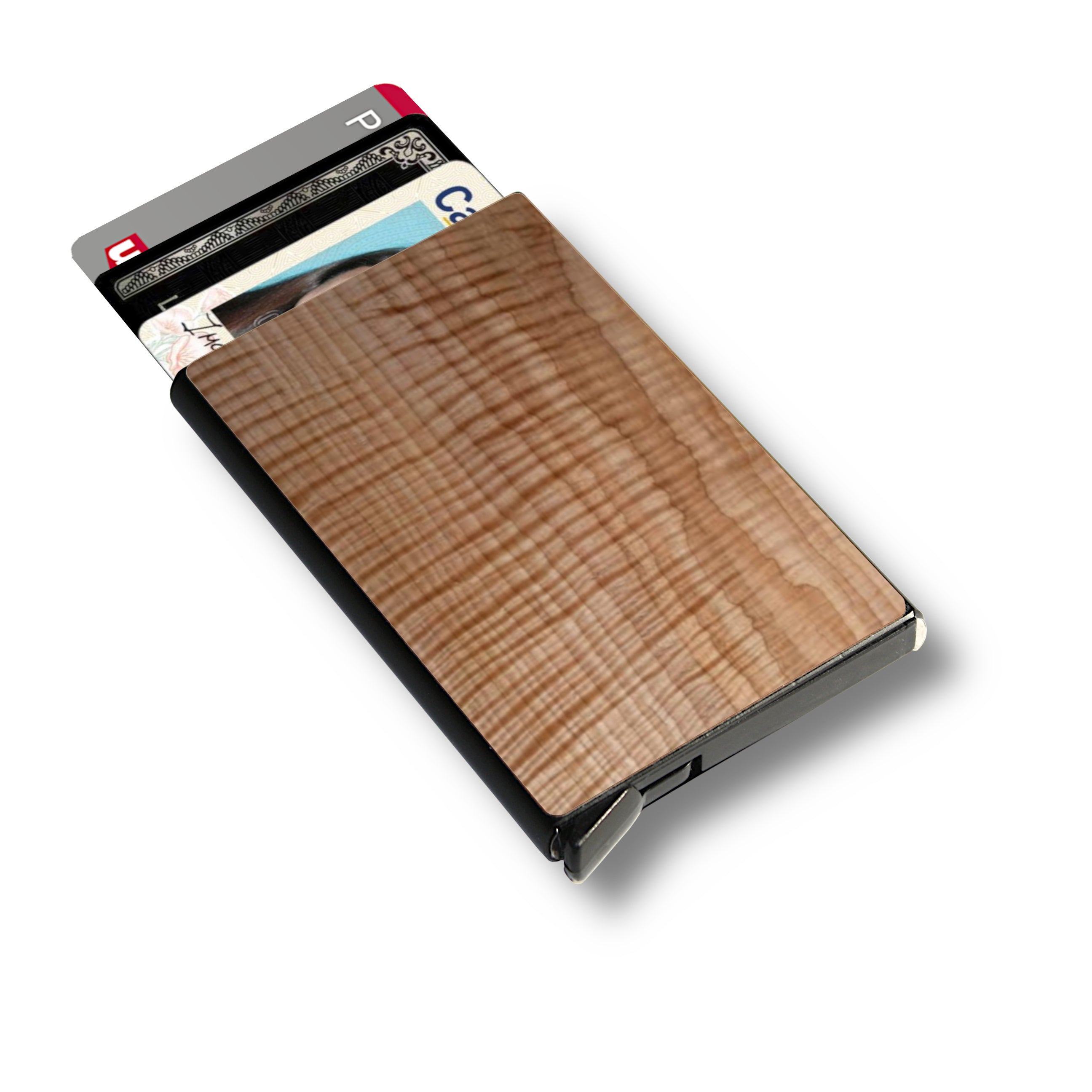
In our increasingly interconnected digital world, convenience is often prioritized over security. The advent of contactless payments has made transactions faster and easier, allowing us to simply tap our credit cards or digital devices against a reader to complete a purchase. However, this same technology introduces a new vulnerability: the potential for electronic pickpocketing, also known as RFID skimming. As our reliance on digital payments grows, protecting sensitive financial data has become a critical concern. For the modern consumer, upgrading to a minimalist wallets collection made in the USA
is not merely a stylistic choice; it is a proactive step toward securing personal information against an invisible threat.
Understanding the Invisible Threat of RFID Skimming
Radio Frequency Identification, or RFID, technology uses radio waves to wirelessly transfer data between a tag and a reader. In consumer products, this technology is embedded in credit cards, debit cards, bank identification cards, and passports. While designed to facilitate contactless transactions and improve security through encryption, these chips also transmit data whenever they are within range of a compatible scanner. Electronic pickpockets can exploit this by using handheld scanners, often concealed in bags or clothing, to silently read the information on your cards from several inches or even feet away.
The danger of RFID skimming is that it requires no physical contact, making it difficult to detect until fraudulent charges appear on your bank statement. A thief does not need to steal your physical wallet to access your account details; they only need to be in close proximity to you in a crowded space, such as a subway station, a concert, or a tourist attraction. By harvesting your card number, expiration date, and sometimes your name, they can make unauthorized purchases online, cloned cards, or engage in identity theft.
How RFID Blocking Technology Works
RFID blocking wallets are designed to prevent this unauthorized data transmission by creating a barrier that interrupts the radio signals. The most common and effective method is by using materials that act as a Faraday cage, an enclosure that blocks electromagnetic fields. Conductive materials, such as aluminum, copper, or specialized conductive fabrics, are incorporated into the lining or structure of the wallet.
When a potential skimmer attempts to scan your cards, the conductive material in the wallet absorbs or reflects the radio waves, preventing them from reaching the RFID chip embedded in your card. This simple yet effective physics-based defense ensures that your data remains inaccessible unless you deliberately remove the card and tap it on a legitimate terminal. Unlike active blocking devices, which might use a jammer to disrupt signals, passive blocking wallets require no batteries and offer continuous protection simply by virtue of their construction.
The Practical Advantages of the Minimalist Approach
Combining RFID protection with a minimalist design offers a dual layer of benefits for the modern user. Traditional wallets are often bulky, overstuffed with unused cards, old receipts, and unnecessary items. This bulk not only makes the wallet uncomfortable to sit on or carry but also makes it a visible target for traditional pickpockets. A minimalist wallet encourages a more streamlined approach, prompting you to carry only the absolute essentials—a few primary credit cards, your ID, and some emergency cash.
By reducing the number of cards you carry, you minimize the surface area of your risk. A slim, minimalist wallet is designed to be carried comfortably in a front pocket, which is naturally more secure than a back pocket or a bag. Furthermore, the construction of these wallets often dictates the use of durable materials like metal plates or sturdy elastic bands, which inherently provide stronger RFID shielding than traditional leather. The minimalist aesthetic is not just about fashion; it is about efficiency, comfort, and enhanced physical security.
Conclusion
The convenience of contactless technology is undeniable, but it comes with the responsibility of safeguarding your personal data. RFID skimming is a subtle, invisible threat that requires a proactive defense. By adopting an RFID blocking minimalist wallet, you are investing in a simple yet comprehensive solution that protects your finances and identity from digital thieves. This modern accessory combines the structural security of specialized shielding materials with the practical benefits of a slim, organized design. Protecting your data doesn’t have to be complicated, and with the right tool, you can enjoy the speed of contactless payments with the peace of mind that your information is secure.


